Equipment doesn’t have to leave the hospital to become difficult to find. Sometimes, it just disappears into the workflow.
An IV pump exists somewhere in the building. A wheelchair is parked down a hallway. A monitor is sitting in a closet because a unit wants to make sure it’s available later.
None of this happens because hospital staff is careless. It happens because people adapt.
When equipment becomes difficult to find, teams naturally hold onto what they know they’ll need. A workaround becomes a habit, and that eventually becomes the workflow.
Over time, that creates a cycle:
• Equipment becomes harder to find.
• Staff assumes the inventory is unavailable.
• The hospital acquires more devices.
• Utilization stays low, and teams spend even more time searching.
And the cost isn’t just financial.
Nurses lose time searching. Biomedical teams struggle to track equipment for maintenance. Inventory records become less reliable.
For years, hospitals have tried to solve this with tracking systems that were expensive, difficult to maintain, or too complex to fit easily into everyday workflows.
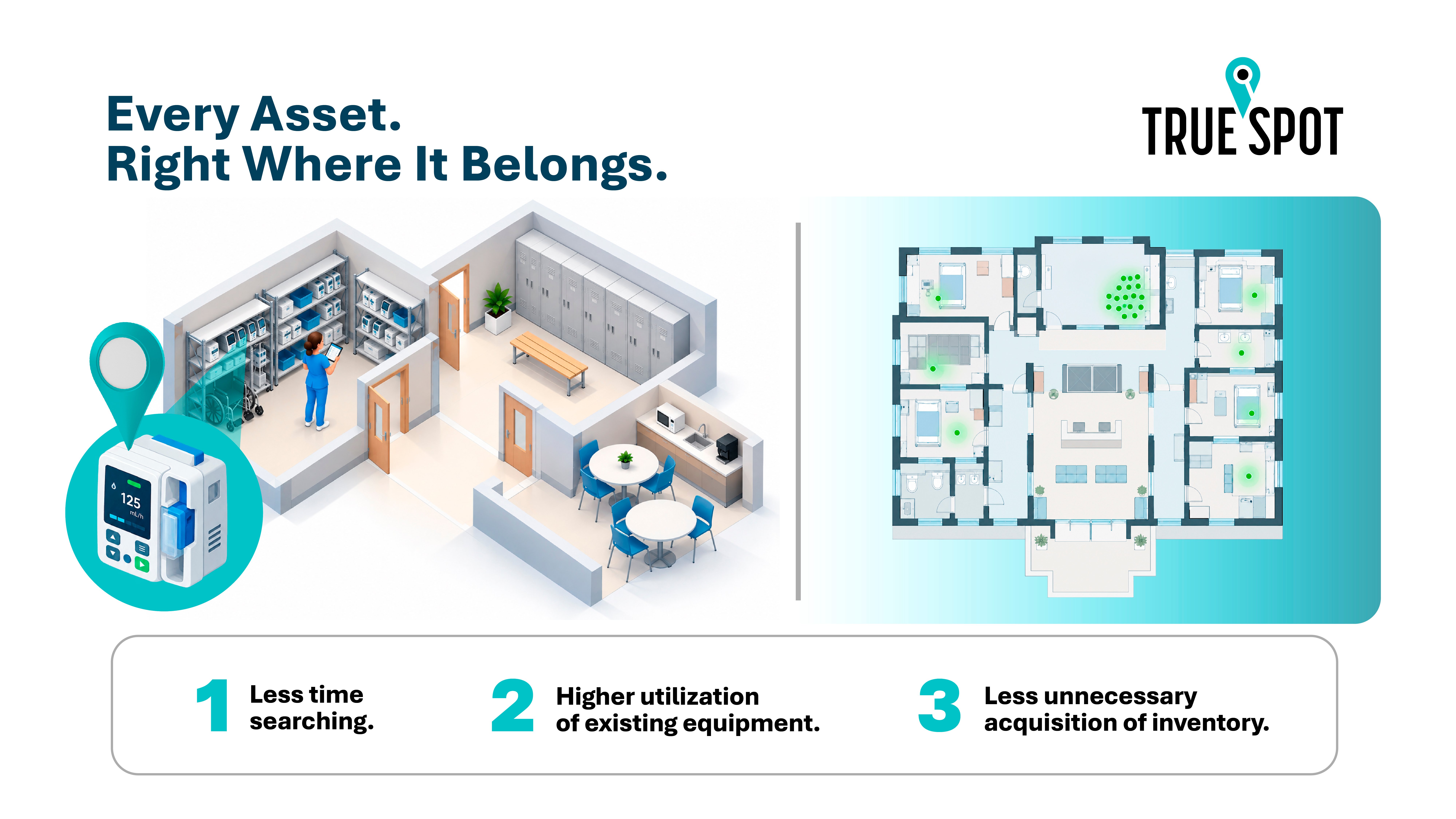
That’s beginning to change.
Newer approaches to equipment visibility are designed around the way hospitals actually operate: helping teams understand not just where equipment is, but how it moves and how it’s being used over time.
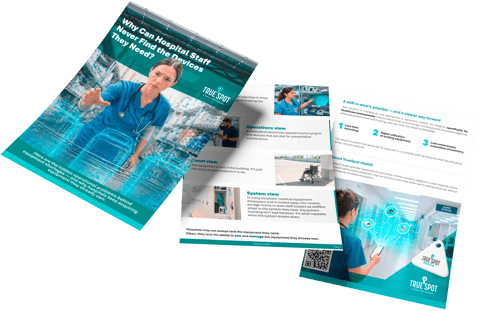
We recently put together a short white paper exploring the hidden operational costs behind lost equipment, low utilization, and poor visibility — and why hospitals are rethinking how they manage medical equipment tracking.