Everyone’s talking about how Carvana and CarMax are winning the fight for used vehicle inventory.
And on the surface… they are.
They’ve built their entire experience around speed and simplicity. Customers can get fast, competitive offers, move through a seamless digital process, and complete transactions quicker than most traditional dealerships can match. It’s easy to look at that and assume the battle is being lost at the point of acquisition.
But that’s only part of the story.
Because the real issue isn’t just how dealerships acquire inventory—it’s what happens after the car actually hits the lot.
The Hidden Inventory Problem Inside Dealerships
Step inside most dealerships, and you’ll hear the same questions repeated throughout the day:
Where’s the car?
Who has the key?
Why is service backed up?
These aren’t just small operational hiccups. They’re symptoms of a much bigger issue.
A customer might be ready to buy, but the vehicle can’t be located in time. A trade-in sits longer than it should, slowing down appraisal and delaying resale. A technician is stuck waiting instead of working, creating a bottleneck in service. Deals fall apart—not because of price or product—but because of friction.
This isn’t just inefficiency. It’s revenue walking out the door.
Why Inventory Management Is Breaking Down
The root of the problem is that most dealerships are still operating with systems that weren’t designed for real-time visibility.
Processes are manual. Lot checks are visual. Systems don’t talk to each other.
So instead of having instant answers, teams are forced to search, guess, and rely on workarounds. That leads to delays in retrieving vehicles, misplaced keys, and service workflows that slow down under pressure.
Meanwhile, companies like Carvana and CarMax aren’t just better at acquiring inventory—they’ve built operations that are designed to move fast. Their advantage isn’t just digital… it’s operational.
The Real Shift: Visibility Over Acquisition
Most dealerships are still focused on getting more inventory and competing on price.
But the real competitive advantage is shifting toward something else entirely: visibility and speed of execution.
The dealerships that are pulling ahead aren’t just asking how to buy more cars. They’re asking better questions:
How quickly can we locate any vehicle on demand?
How fast can we move a car through sales or service?
Where does friction slow us down during the day?
Because once you can answer those questions in real time, everything else starts to move faster.
What Real-Time Tracking Actually Changes
When a dealership has true, real-time visibility into its inventory, the day-to-day operation looks completely different.
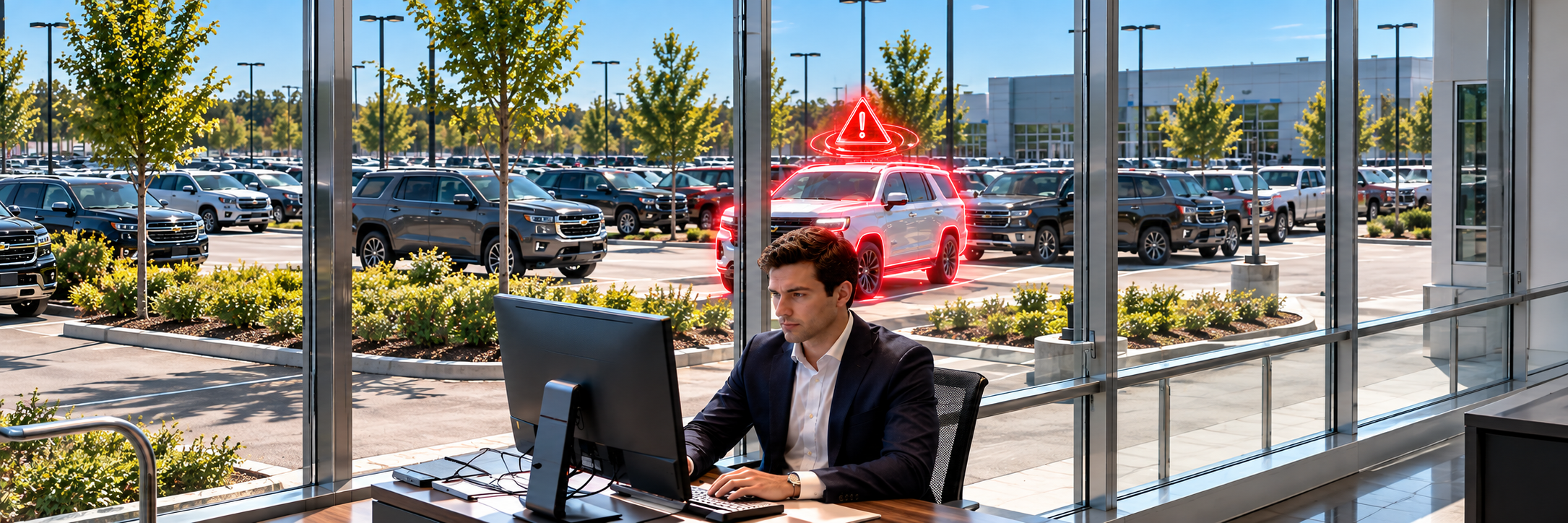
There’s no guessing where a car is—it’s known instantly. Keys aren’t being tracked down—they’re already accounted for. Service doesn’t stall because vehicles and keys move efficiently through the process.
That kind of visibility removes the constant friction that slows everything down behind the scenes.
Where TrueSpot Fits In
This is exactly where platforms like TrueSpot come into play.
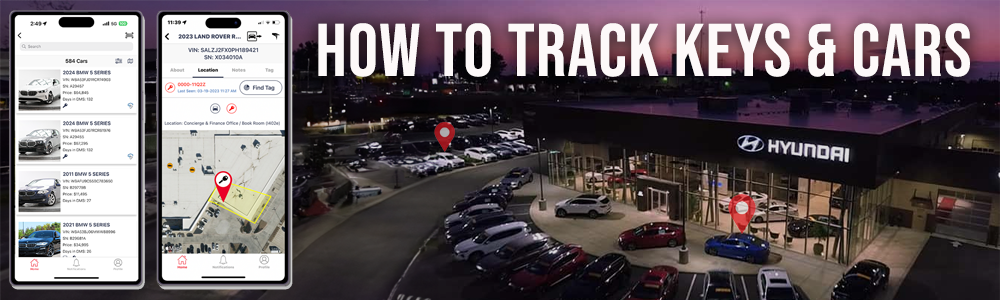
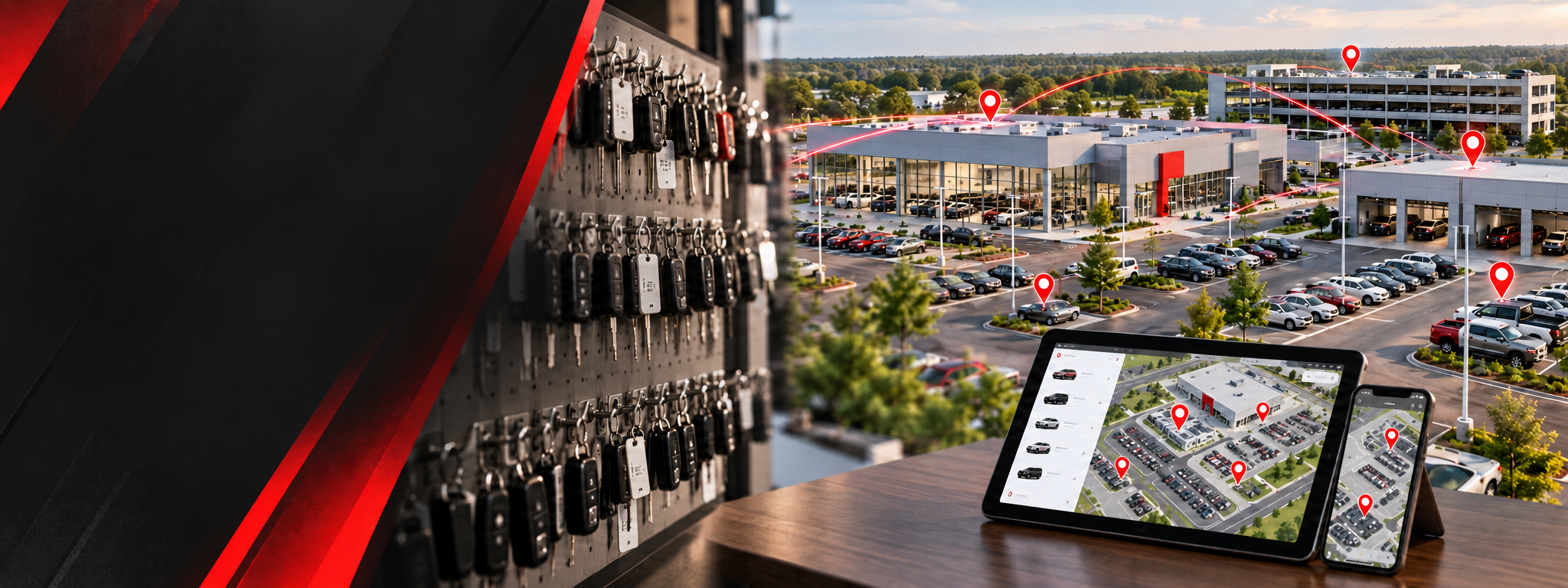
Instead of relying on manual processes, dealerships gain real-time visibility into vehicles, keys, and service flow across the entire operation. Sales teams can move faster because vehicles are instantly accessible. Service teams operate more efficiently because downtime is reduced. And across the board, the dealership runs with fewer interruptions and less wasted motion.
The impact isn’t just operational—it shows up in faster deal cycles, improved productivity, and a better overall customer experience.
Why Visibility Is the Real Competitive Advantage
Carvana wins on digital convenience. CarMax wins on scale and pricing confidence.
Dealerships already have advantages those companies don’t—local presence, relationships, and service capabilities.
But without visibility, those advantages get buried under inefficiency.
Because at the end of the day, customers don’t experience your process—they experience how fast and smooth everything feels.
Final Thoughts
The inventory battle isn’t just about who can acquire more vehicles.
It’s about who can move faster, operate cleaner, and eliminate friction from the process.
And that doesn’t start with buying more inventory.
It starts with seeing what you already have.